A Century After Japanese Farming Families Started the Longmont Buddhist Temple, the Evolving Congregation still Offers a Space for Thought and Compassion
Photography by John Robson
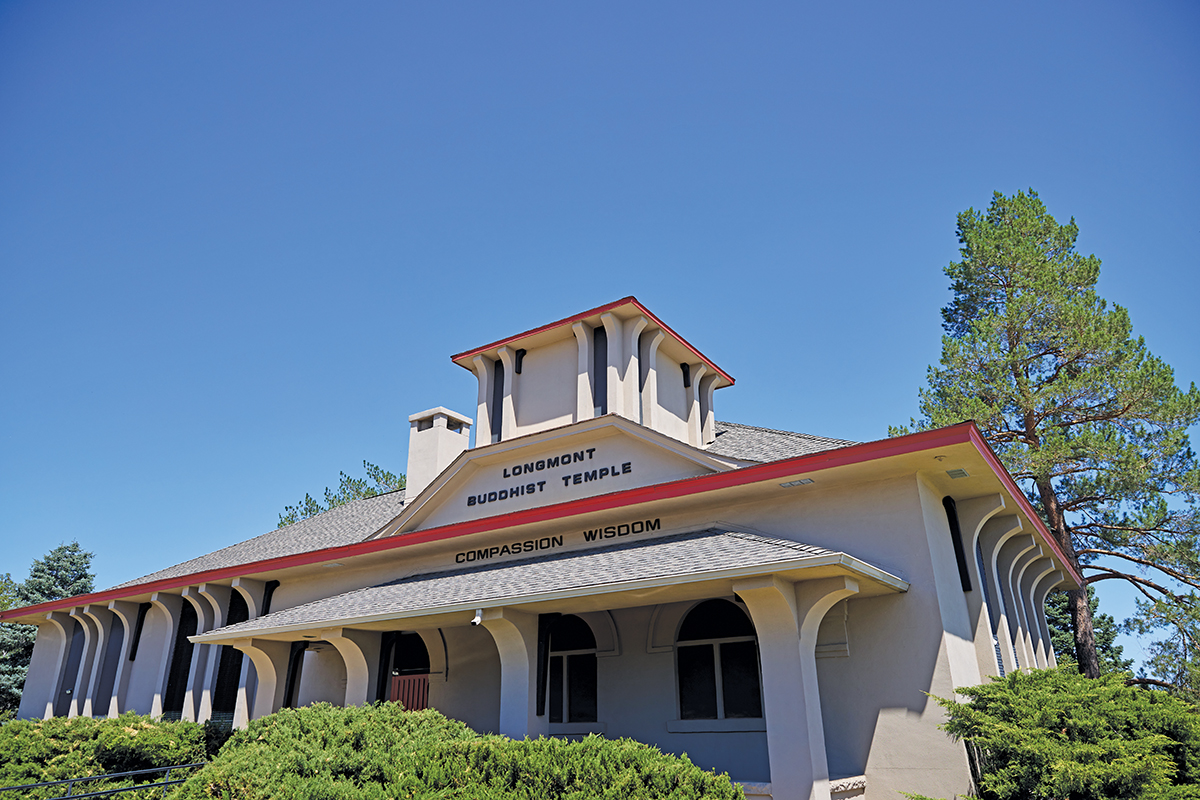
At the corner of south Longmont stands a temple grounded in the city’s past that is helping its citizens live in the present.
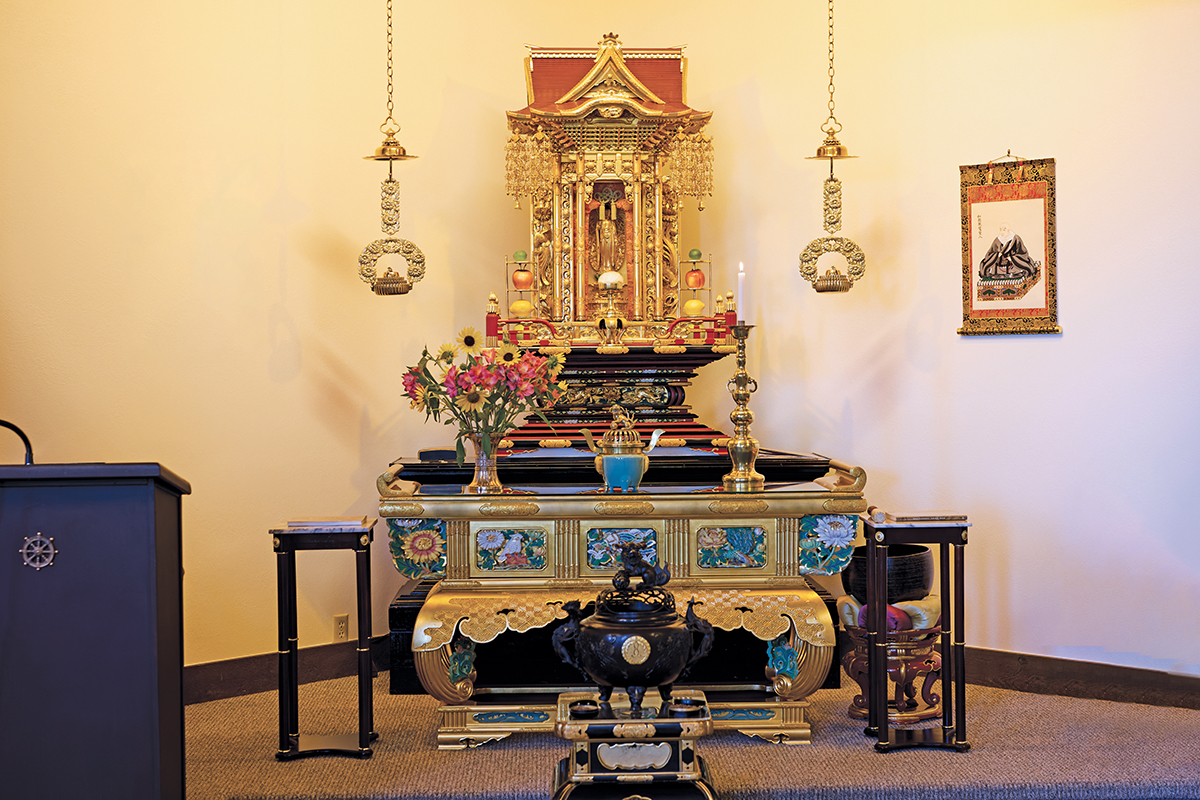
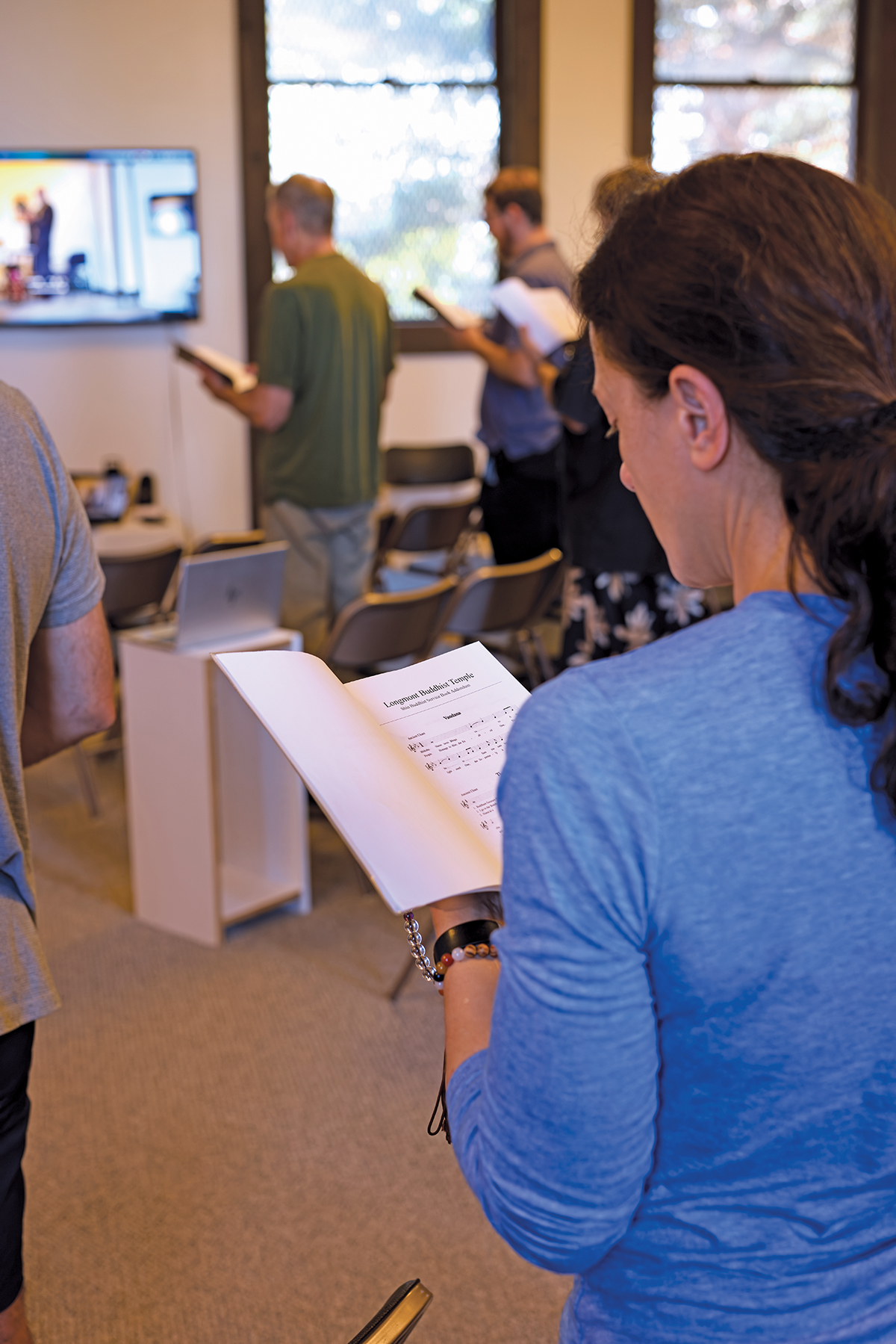
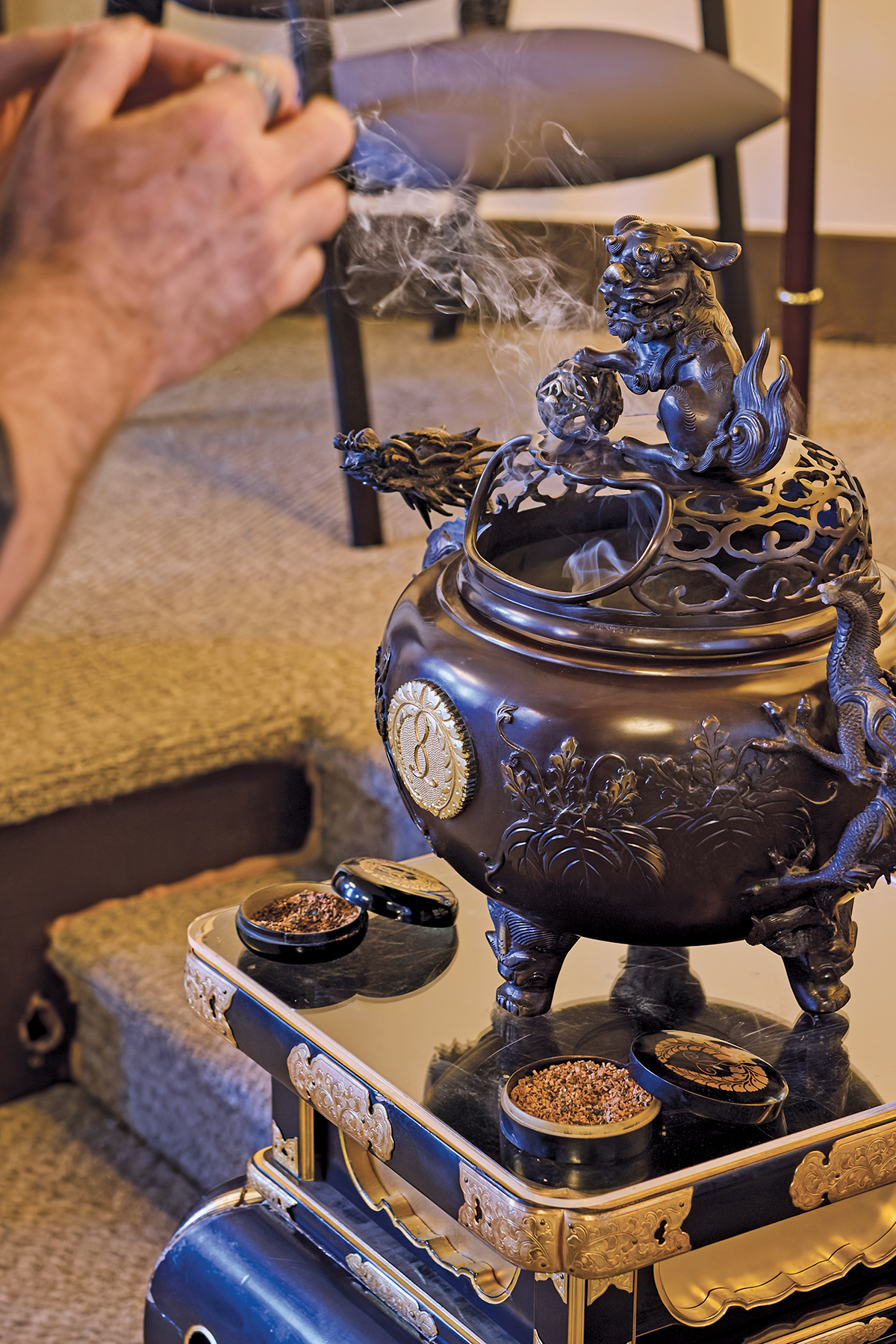
On a Sunday morning, the modest service room fills slowly, and a golden altar sparkles through the aromatic haze of ceremonial incense. About 20 people—spanning generations and ethnicities—sit for the service. The chants in the service books are printed in both Japanese and English.
The temple’s congregation marked a hundred years in Longmont in 2025. It has always been a refuge—first for Japanese immigrant families and now for a wider community looking for peace in current times.
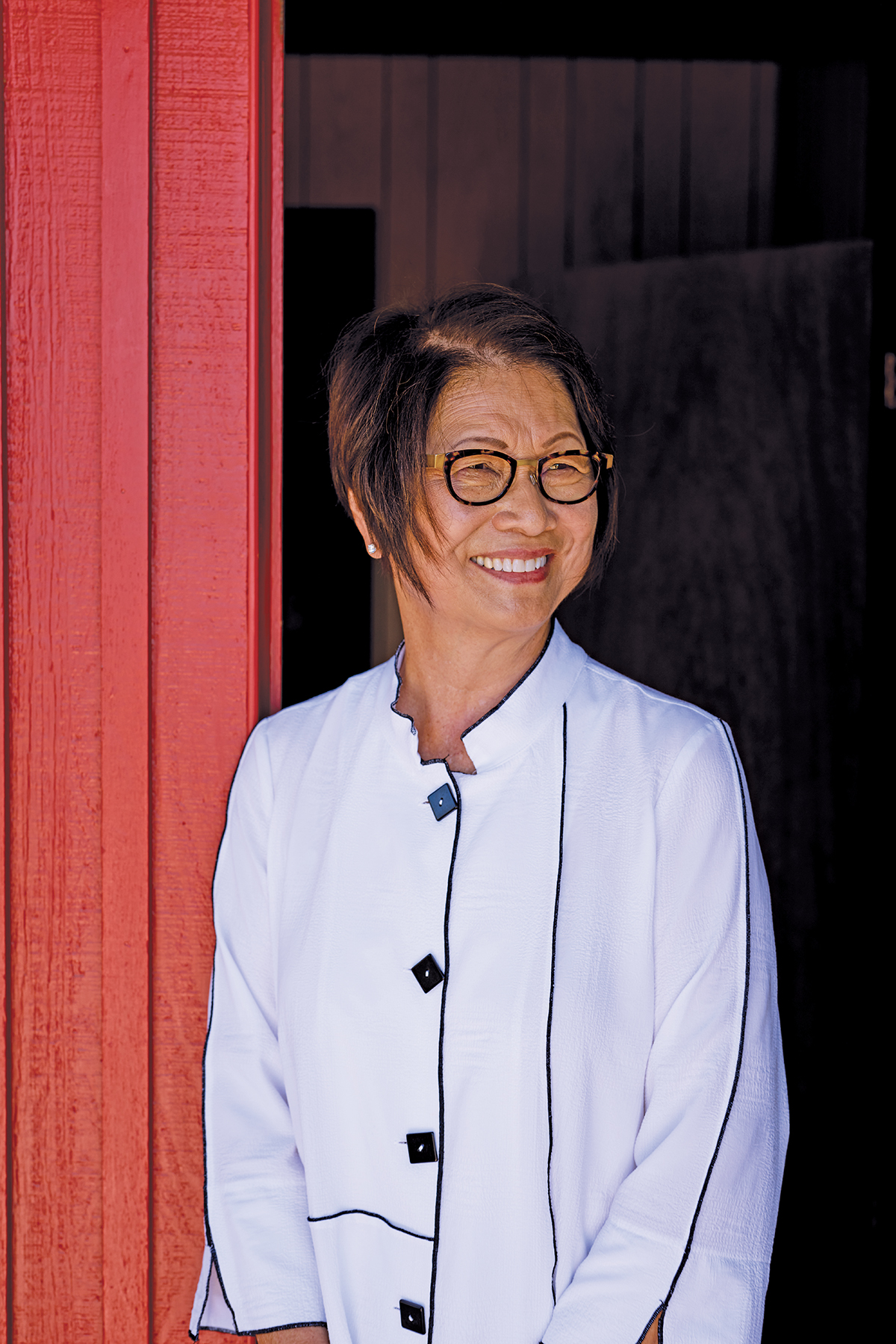
“Today, because of what’s going on in the world, we actually have more people coming in because they want peace and calmness. People are looking for a place that is more calming and not so political,” says Jackie Mayeda, the president of the Longmont Buddhist Temple and granddaughter of one of the congregation’s founding members. “We tell everyone to come as you are, and we don’t judge.”
The temple offers services on the second and fourth Sundays of the month that includes sitting meditation, dharma talk, and tea. It also hosts meditation and Buddhism classes and a book club for those wanting to further explore Buddhism.
A Place of Refuge Takes Root
The temple’s congregation got its start when Japanese families immigrated to Colorado in the early 1900s to work on the railroads. The employment opportunities in Longmont primarily came from the agriculture industry, especially the sugar mills that were prominent at that time.
A second surge of Japanese immigrants came to Longmont during and after World War II with the U.S. activation of Japanese internment policy. Colorado’s then governor, Ralph Carr, was the only Western governor to stand up against Japanese internment, so immigrants fled to Colorado. Many thrived in Longmont.
“It is unique to Longmont that many of these families found great commercial success and became prominent members of the community,” says Erik Mason, director of the Longmont Museum.
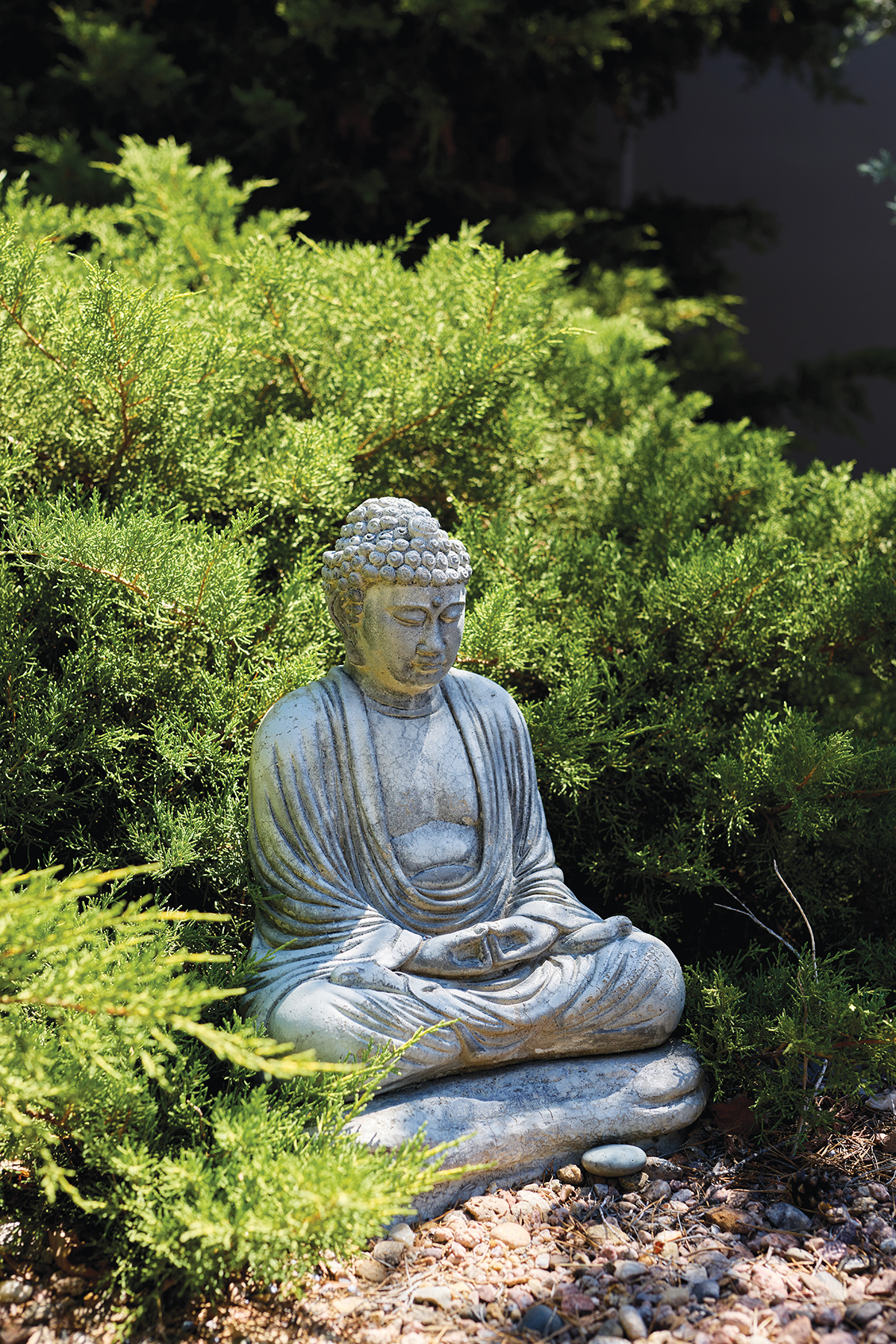
The founding members of the Longmont Buddhist Temple initially practiced in the homes of community members. As early as 1925, Japanese immigrant and farmer Kikutaro Mayeda hosted services in his farmhouse.
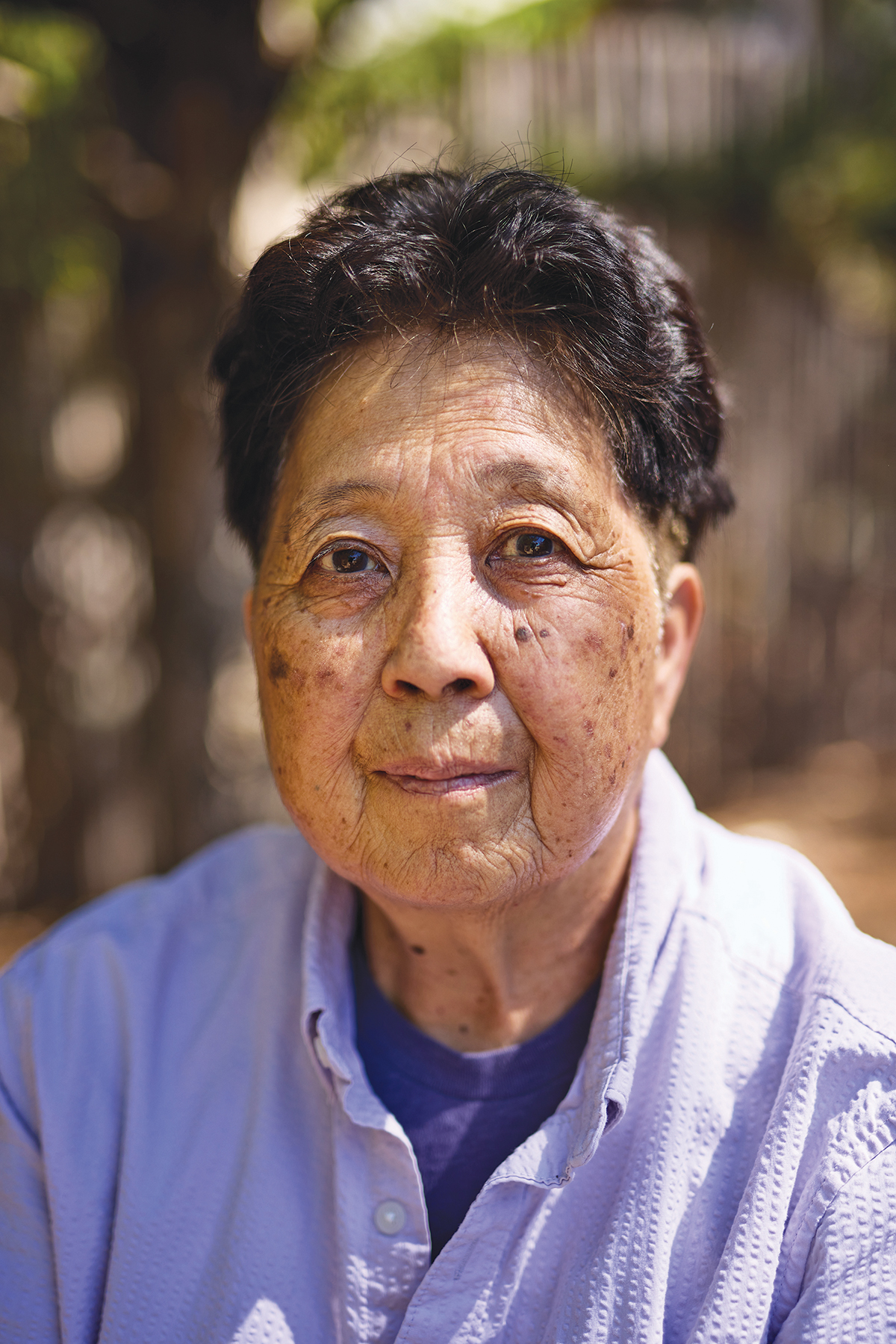
“Grandpa was very instrumental in spreading Buddhism out in the country, in places like Brighton, Fort Lupton, and Longmont, where there were a lot of Japanese because they were all farmers,” Jackie Mayeda says of her grandfather.
Founding members wanted to reach Japanese families spread across the region’s farm country.
“The intent was not to spread Buddhism, but to establish a community for the Japanese immigrants where they could feel safe and feel that they were Japanese,” says the Rev. Nari Hayashi, the temple’s sensei and supervising minister.
From Farmhouse to Schoolhouse
Another of the temple’s founders was Goroku Kanemoto. Like many of the founding families, the Kanemotos left Japan to farm in Colorado. Goroku settled near Longmont in 1919, raising sugar beets and other vegetables on rented land with his wife, Setsuno.
When Goroku died in 1935, his sons, Jim and George, took over, building the farm over the next three decades into a 340-acre operation with a produce market. In the 1960s, the brothers annexed the acreage to the City of Longmont and developed Southmoor Park. They also donated land to the city for a range of civic uses, including a new elementary school. In return, they received the old Burlington schoolhouse, which the brothers donated to the Longmont Buddhist Temple in 1968. The congregation Goroku helped found in 1925 had a permanent home at last.
Come as You Are
Back in the service room, people find chairs facing the golden altar and settle in for a Shin Buddhist service. Shin originated in Japan and remains the most widely practiced school of Buddhism in that country.
These days, more people are finding their way to the Longmont temple, with the congregation ranging from 15 to 40 people on Sundays. Some have lived in Longmont for years, driving past the temple without ever stopping—until now.
“Buddhism is getting more and more popular, and so more people are curious about the temple,” says Hayashi. “Today, what I see as unique to the Longmont Buddhist Temple is that it’s very open and friendly.”
Mayeda says the warm atmosphere is in part inspired by her own experience of having not felt welcomed at temples in other cities.
“I didn’t want it to be like that here,” Mayeda says. “I wanted Longmont’s temple to be different.”
At the dharma talk that Sunday, Hayashi turned to the question of sutras—Buddhist scripture—and why they aren’t meant to be read literally but instead to prompt curiosity and consideration.
“A finger pointing to the moon is not the moon, just as the sutras are not the truth. They are a guide to the truth,” he says. “You cannot take the sutras literally. The Buddha wanted us to contemplate things because thinking is not a burden.”
Perhaps that’s what people drawn to the temple are seeking: a space to slow down, to think and develop their own understanding of what’s going on in the world and within themselves. It’s a practice that reflects the openheartedness and self-acceptance that the Longmont Buddhist Temple offers to this community.