Tiny Riverbank Burrowers Get a New Home
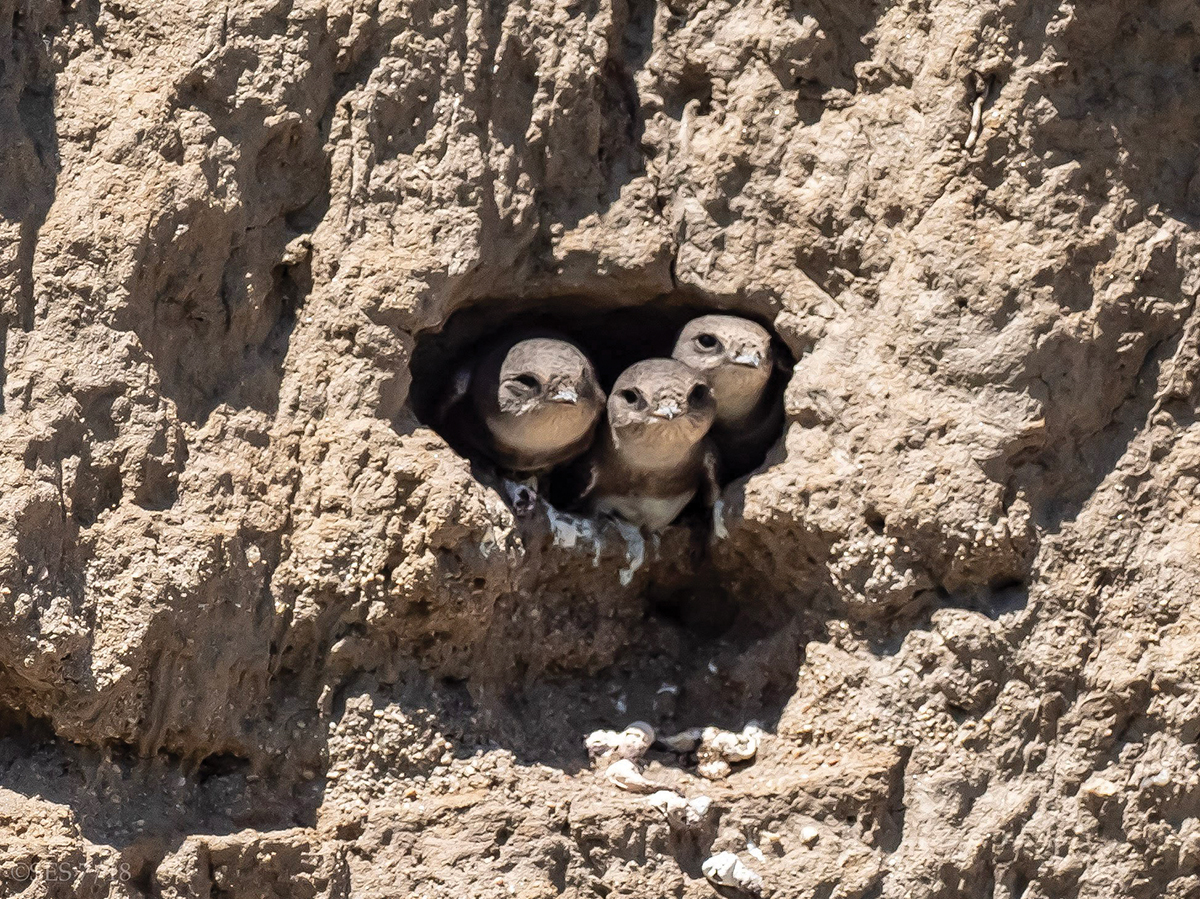
Along the St. Vrain Greenway at Roger’s Grove Nature Area lives a colony of Bank Swallows. The smallest of North America’s eight swallow species, these charming aerialists are part of our community’s summer rhythm, skimming low over the water and twisting through the air as they hunt flying insects.
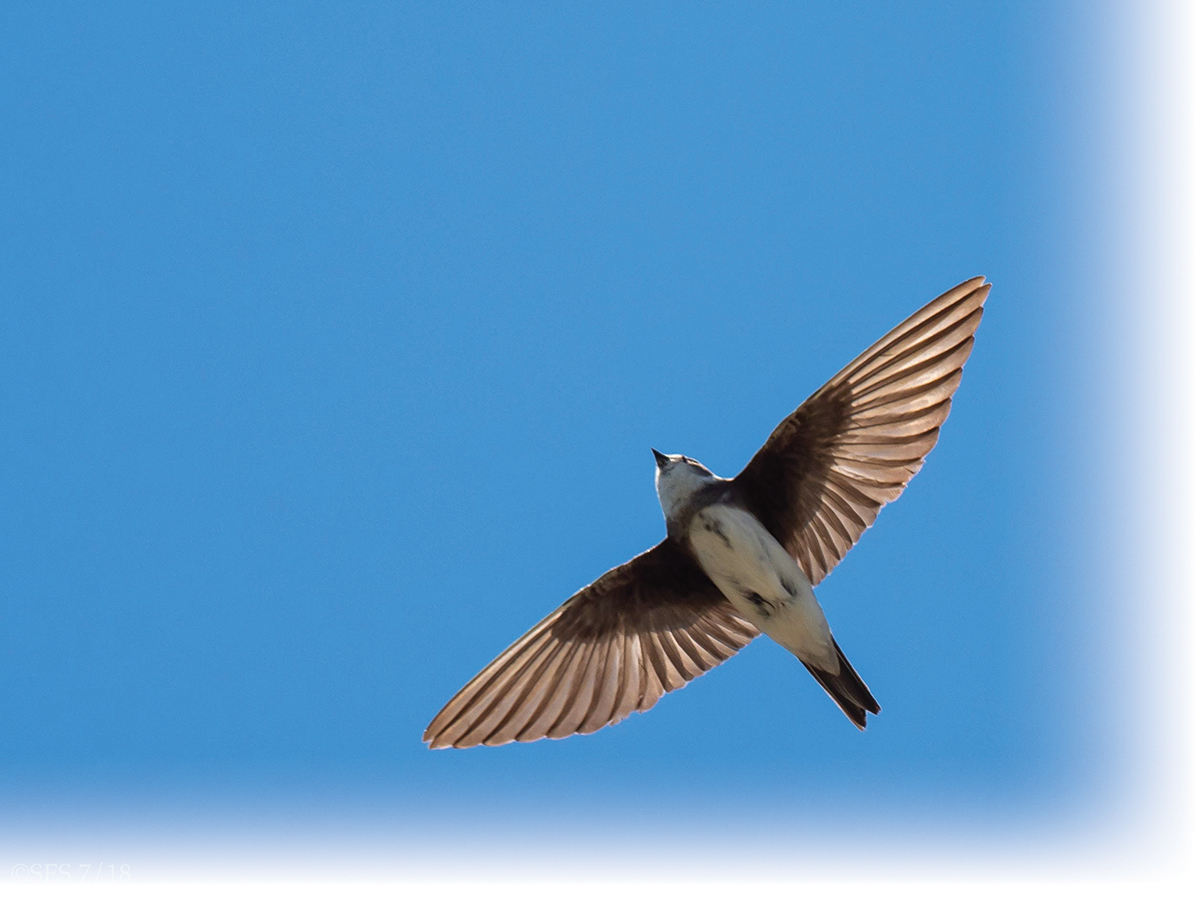
With sooty-brown upperparts, crisp white underparts, and distinctive dark chest bands, Bank Swallows thrive along steep river edges, burrowing their nests into cutbanks—the bare dirt walls that form as moving water erodes a creek’s edge.
Longmont’s Resilient St. Vrain flood-mitigation project, which began in 2016, will eventually destroy the bank this swallow colony calls home from May until mid-August each year.
Bank Swallows are colonial nesters: Anywhere from a dozen to hundreds of pairs will cluster their burrows along a steep bank, each tunnel holding one pair and their young. This tight grouping means more eyes watching for danger, such as small mammals, snakes, and larger birds like crows and jays. Each breeding pair lays four to five eggs, and both parents feed the chicks.
An Appetite for Travel
Water not only provides Bank Swallows with the bluffs they call home, but it also provides a steady supply of the flying insects that sustain them. A single Bank Swallow can consume as many as 1,000 insects a day—and they hunt and eat while flying, a behavior known as hawking. They even drink on the wing by skimming water surfaces with their beaks open.
Their migration is timed to coincide with hatching insects, and that’s when these aerial skills pay off. Bank Swallows may cover up to 200 miles a day traveling between breeding grounds in North America and overwintering sites in Central and South America, flying roughly 3,000 to 6,000 miles one way each spring and fall.
New Digs
The Bank Swallow is designated a Species of Special Concern in Boulder County, and its numbers have dropped worldwide due to habitat loss from the hardening of riverbanks for development and flood control, and the rising use of neonicotinoid pesticides. That hardening is coming to Roger’s Grove. The Resilient St. Vrain flood-mitigation project will reengineer the banks here and elsewhere to protect the city from another flood like the devastating one in 2013.
For most wildlife, sudden habitat loss is a death sentence. But Bank Swallows are one of the few species that can adapt to artificial habitats, such as steep-sloped sandy piles. With this colony’s bank slated to disappear, Longmont city biologists—encouraged by the Save Our Swallows campaign of Longmont Friends of Open Space/Stand With Our St. Vrain Creek and with a mandate from the city council—have built an artificial nesting habitat for Bank Swallows.
If You Build It
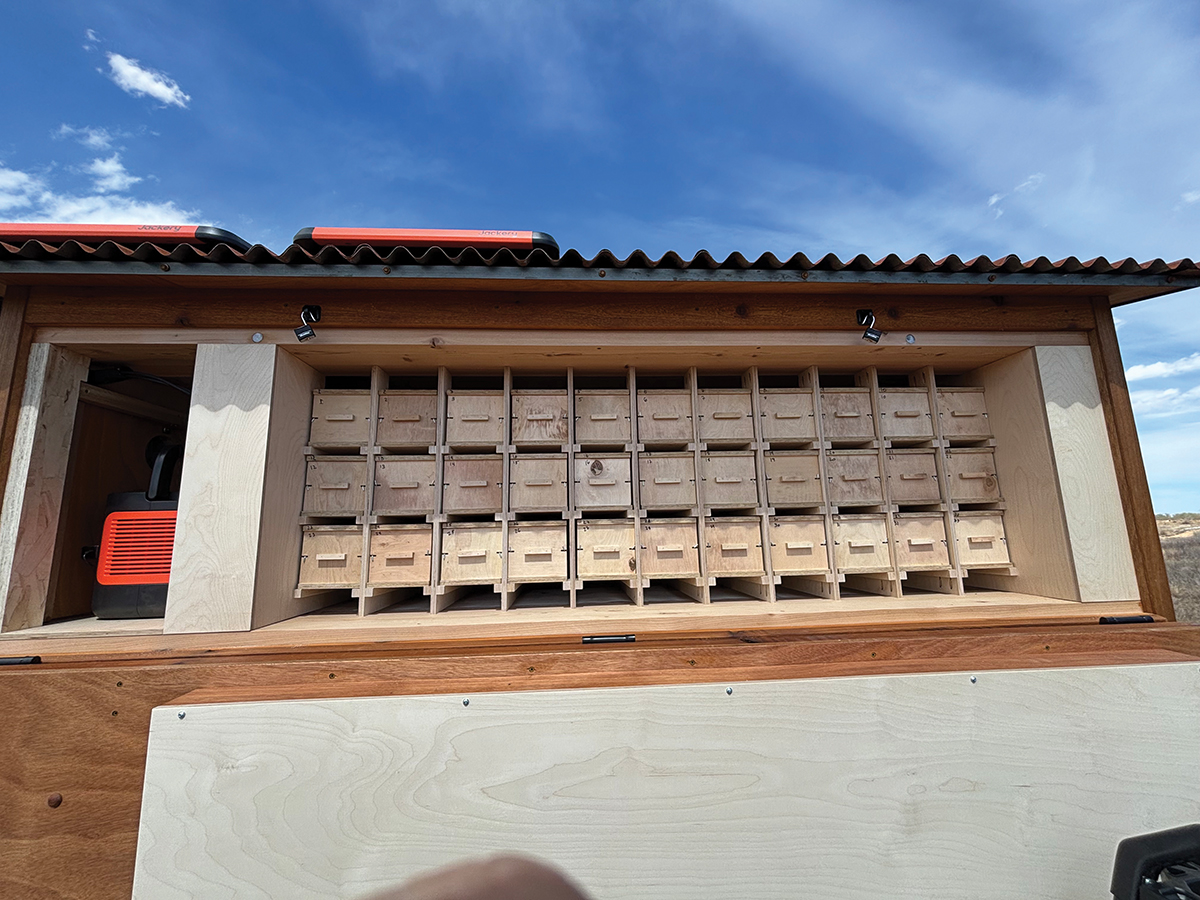
City of Longmont wildlife biologist Matias Comina is leading the effort to help design, create, and place the new 33-nesting chamber artificial habitat
“The artificial habitat isn’t really replacing a colony, and we’re not relocating birds or anything like that,” he says. “We’re re-creating a set of physical characteristics in hopes that during their nest search they accept it as acceptable habitat.”
This structure, which resembles a freestanding wall of post office boxes, will allow the swallows to excavate their burrows each year. The habitat is already in place, waiting. But the birds’ natural bank is still intact as flood mitigation work hasn’t reached Roger’s Grove yet. So for now, no swallows have accepted the new habitat.
When it’s time to draw the birds in, Comina will play recorded swallow calls, then monitor whether the birds take to their new home. The data he collects will feed his master’s project at Colorado State University.
City biologists and Longmont Friends of Open Space offer occasional trips to Roger’s Grove to learn more about these special birds, which they hope to continue at the new artificial-habitat site. Go to standwithourstvraincreek.com to check for upcoming events.