
Wildlands Restoration Volunteers Has Built a Community of People Who Care for Coloradoʼs Wild Places
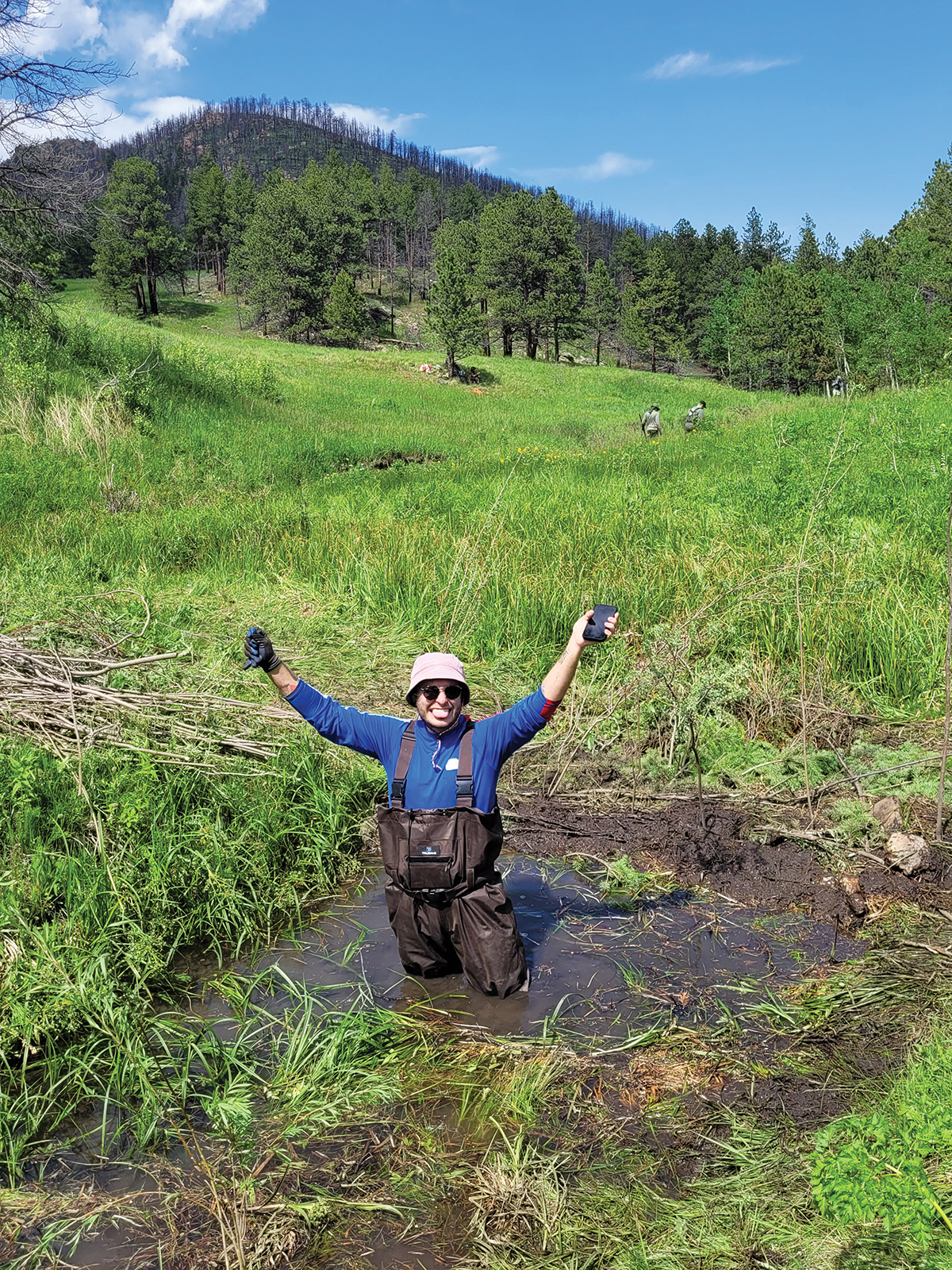
Walk onto a Wildlands Restoration Volunteers project site and the mix of people is immediately obvious.
On any given project across the state, high schoolers might work alongside volunteers in their 70s and 80s, with kids as young as 5 pitching in beside parents and grandparents. The work—trail maintenance, watershed and stream restoration, wildfire recovery, and more—draws Coloradans of all kinds.
“Healing the land and building community is kind of our dual mission,” says Adam Fedyski, community outreach coordinator for Wildlands Restoration Volunteers (WRV). “One does not happen without the other.”
Founded in 1999 when a small group gathered at Pella Crossing Open Space to plant willows and restore damaged wetlands, WRV has grown into one of Colorado’s largest volunteer organizations. In nearly three decades, the nonprofit has worked with more than 73,000 volunteers on over 2,000 projects across the Front Range and into far-flung corners of the state.
But its roots remain in Longmont.
WRV’s earliest projects were concentrated in Boulder County, which still hosts roughly a third of the organization’s work. Another third happens in the Front Range area of Northern Colorado, with the rest spread statewide.
Last year, WRV coordinated more than 200 projects across Colorado, with trained volunteers restoring wetlands and rivers, building and repairing trails, removing invasive species, mitigating wildfire risk, and stabilizing erosion-damaged land. Multiple projects run simultaneously, giving volunteers flexibility in where and how they show up.
“Not only can people be involved on a given weekend, but they can choose what interests them,” Fedyski says. That flexibility is a key part of lowering barriers to participation.
Most outdoor projects run from April to October, with crews fanning out across the state every weekend. But WRV’s volunteers stay busy throughout the year.
“To some extent, we don’t really have an offseason,” Fedyski says.
WRV’s trained staff provide on-site instruction and tools for each project, so volunteers of all experience levels can contribute meaningfully. Safety briefings, tool demonstrations, icebreakers, and structured crews are standard practice.
An Earth Day cleanup at Dickens Farm Nature Area this year drew about 50 volunteers, including a few teenagers and a half dozen Colorado State University students, paired with more seasoned hands. Among them was crew leader Mark Flower, 81, who has volunteered with WRV for roughly 20 years. He keeps coming back for the company and the work itself.
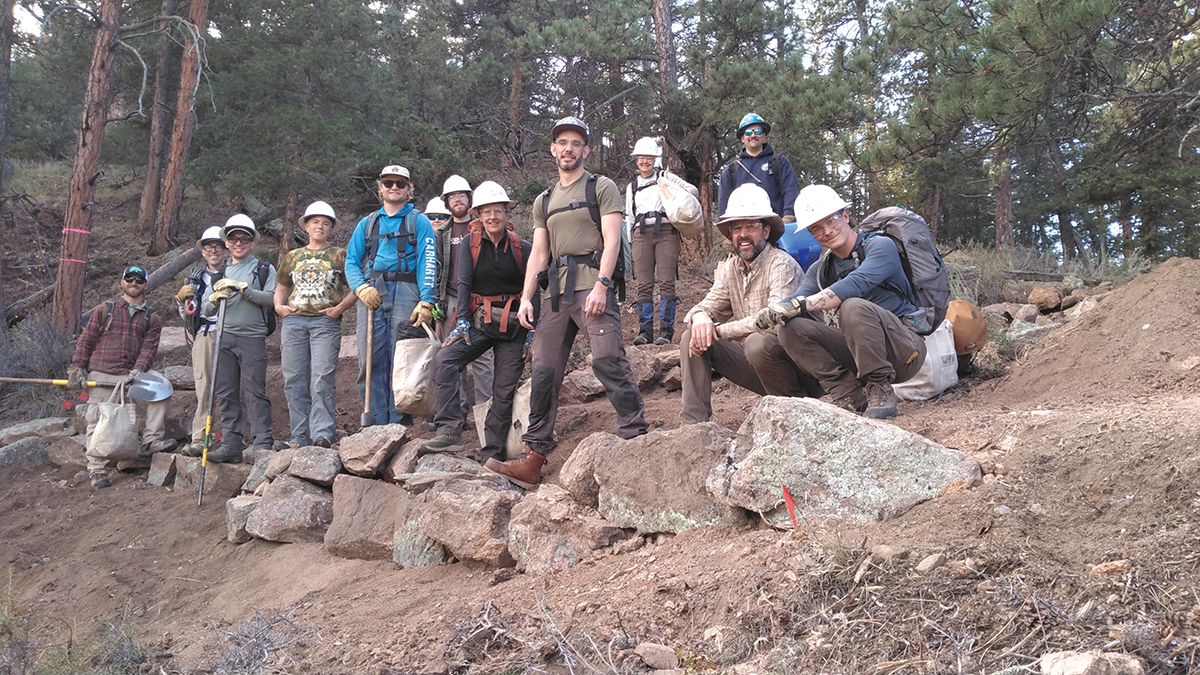
“That is what drew me in early on: doing fun things, healing the land, and a great community of people who are really friendly and from all walks of life,” Flower says.
WRV puts an emphasis on making all volunteers feel welcome, Fedyski says. Many events are now bilingual, and outreach has expanded into Spanish-speaking communities in Longmont, Lafayette, and Commerce City.
“If you’ve never done this before, we’re really doing what we can to bridge those gaps,” Fedyski says.
Beyond traditional trail and habitat work, WRV has expanded into projects that intersect with public health and access. In Commerce City, volunteers plant trees to improve air quality in neighborhoods disproportionately affected by industrial pollution. In Red Feather Lakes, they’ve helped build miles of ADA-accessible trail, opening outdoor spaces to people with mobility limitations. WRV partners with more than 100 agencies and nonprofits annually to make this work possible.
For Fedyski, the organization’s success lies not in numbers but in relationships.
“Some people come out every weekend. For others, this is their Earth Day thing,” he says. “Either way, it becomes their outdoor group, or their social outlet, or their way to give back.”