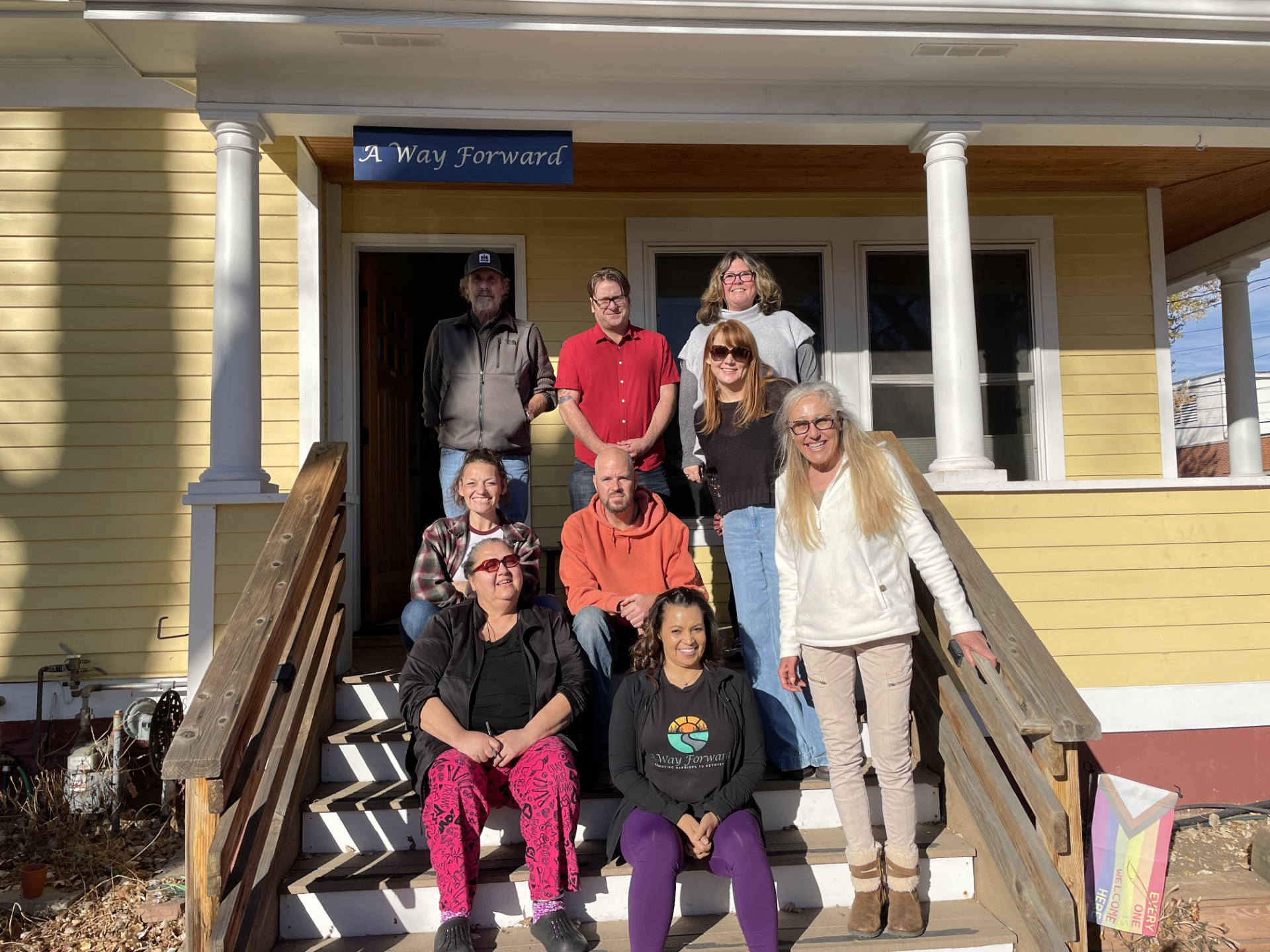
A Way Forward Provides Free Services to Help People Recover from Addiction
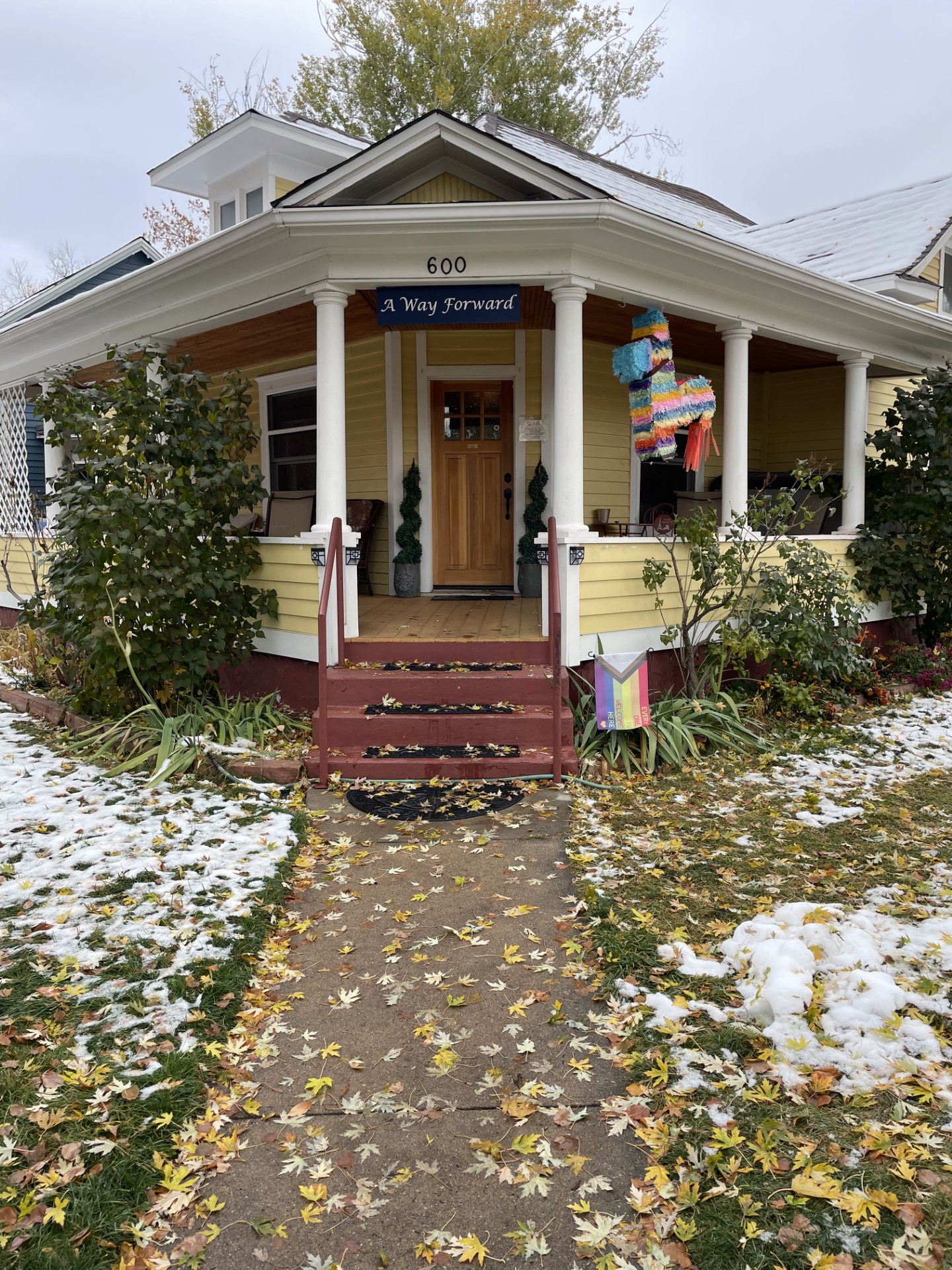
Many have likely gone by the yellow 8house at the corner of Sixth Avenue and Terry Street, but they may not know the breadth of work that goes on behind the wooden front door. The house is home to A Way Forward, a nonprofit organization working to remove barriers to recovery from substance use and mild-to-moderate mental health disorders and providing a non-judgmental community for families and individuals seeking help.
“If you need help, just go into the little yellow house on the corner,” says Larry Rand, the cofounder of A Way Forward and a Vietnam War veteran who has spent decades involved in veterans’ outreach and recovery.
More than 30,500 people have done just that since A Way Forward opened in December 2020. And many services are available behind the door. The nonprofit offers more than 30 different kinds of classes and groups weekly, any of which can be provided in Spanish. The organization gets its funding from grants and donations so all services are free to participants. The front door is open 11 hours a day, seven days a week, 365 days a year.
“I like to say, ‘Alcohol doesn’t take a day off, and neither do we,’” says Debbie Platts, the executive director and cofounder of A Way Forward.
Support groups at A Way Forward include nonsecular and secular options as well as family support and education groups.
Classes cover topics such as codependency, narcissistic-abuse recovery, relapse prevention and aftercare, and how to build better boundaries. There are also several classes offered in A Way Forward’s wellness studio—the carriage house that was remodeled in October—such as meditation, AcuDetox, Recovery Dharma, and individual recovery coaching sessions.
Some of these are drop-in classes, but others involve longer commitments, including a six-week course for veterans, an eight-week mental and emotional health class, and a 12-week intensive outpatient program.
The staff members at A Way Forward are CCAR-trained recovery coaches who have experienced the road to recovery, either personally or with family members.
“We’re fellow travelers here,” says Rand. “We’re not therapists. We’re not psychiatrists. We are fellow travelers.”
The staff has worked hard to increase the diversity of their clientele, trying to reach more Black, Indigenous, and people of color (BIPOC). The first three years they were open, the BIPOC population accounted for 13% of the clientele. This year, it increased to 22%. Platts says their goal is to align with the percentage of BIPOC people in Longmont, which is 29% as of 2023, according to the U.S. Census.
A Way Forward aims to always keep an open door for all. On holidays they invite the community to join for meals. They also encourage clients to stop by and say hello.
“It’s really nice for people to know our doors are open and they can come in,” Platts says. “You can come with no appointment. Just walk in.”