
At Old Mill Park Volunteers Bring Longmont’s Early History to Life Through Pioneer Days
Photography John Robson
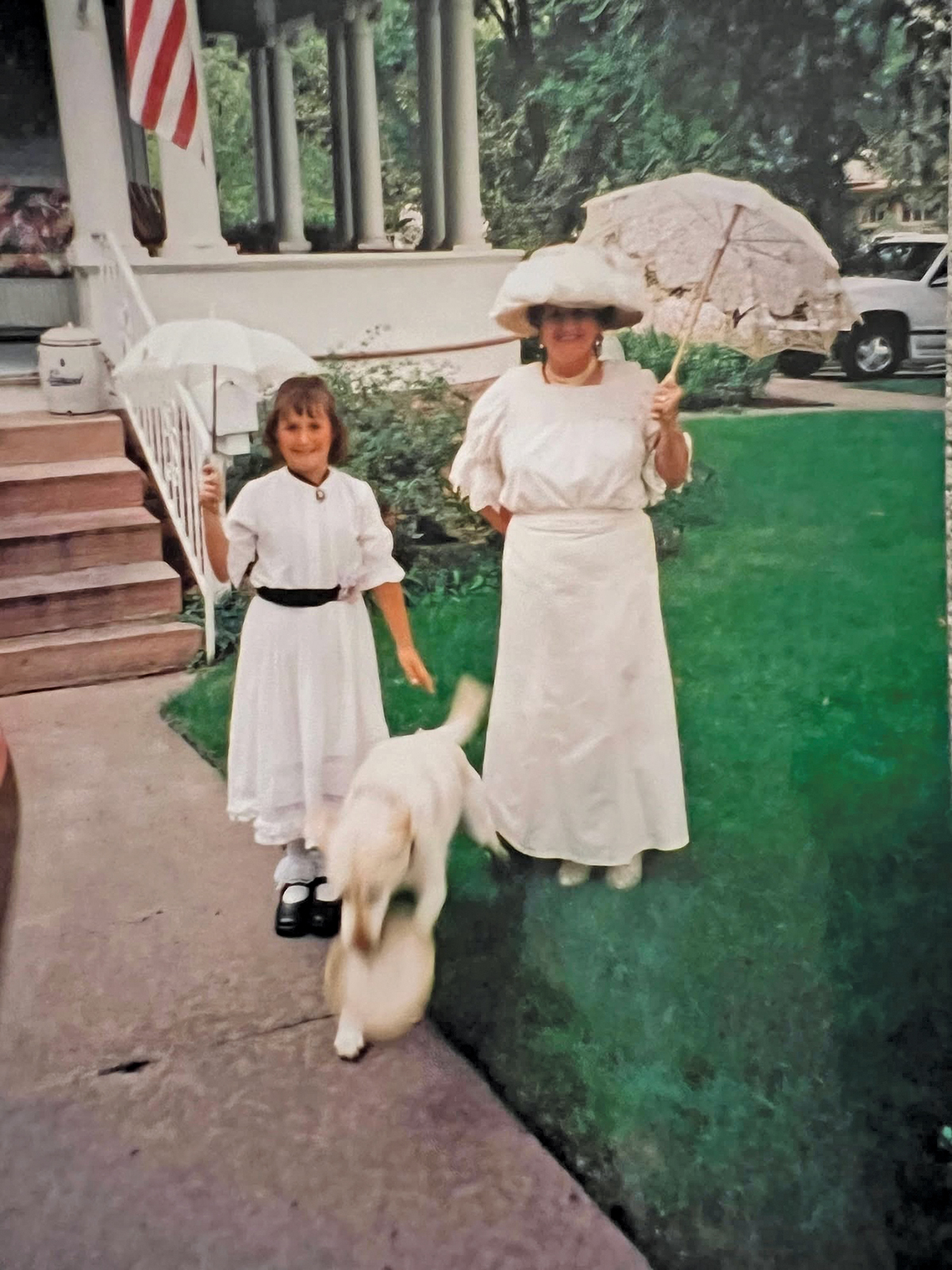
Haley Gould still treasures childhood memories of coming to Old Mill Park during Pioneer Days as a third grader in 2003. She considers herself lucky because her grandparents volunteered at the historic park, located on the site of Longmont’s first flour mill. Dressed in period clothing, they shared stories of the late 19th century with students from St. Vrain Valley Schools during the annual field trip that serves as an educational pilgrimage for kids.
“My grandma was in the Affolter Cabin, and my grandpa was in the blacksmith shop. I got to have both of them here for that, which is extremely special to me,” Gould says of Pioneer Days, which are put on by the St. Vrain Historical Society. “I can remember my grandma telling me, kind of holding me aside before we all sat down, saying, ‘Don’t worry, I’m not going to embarrass you or say anything.’”
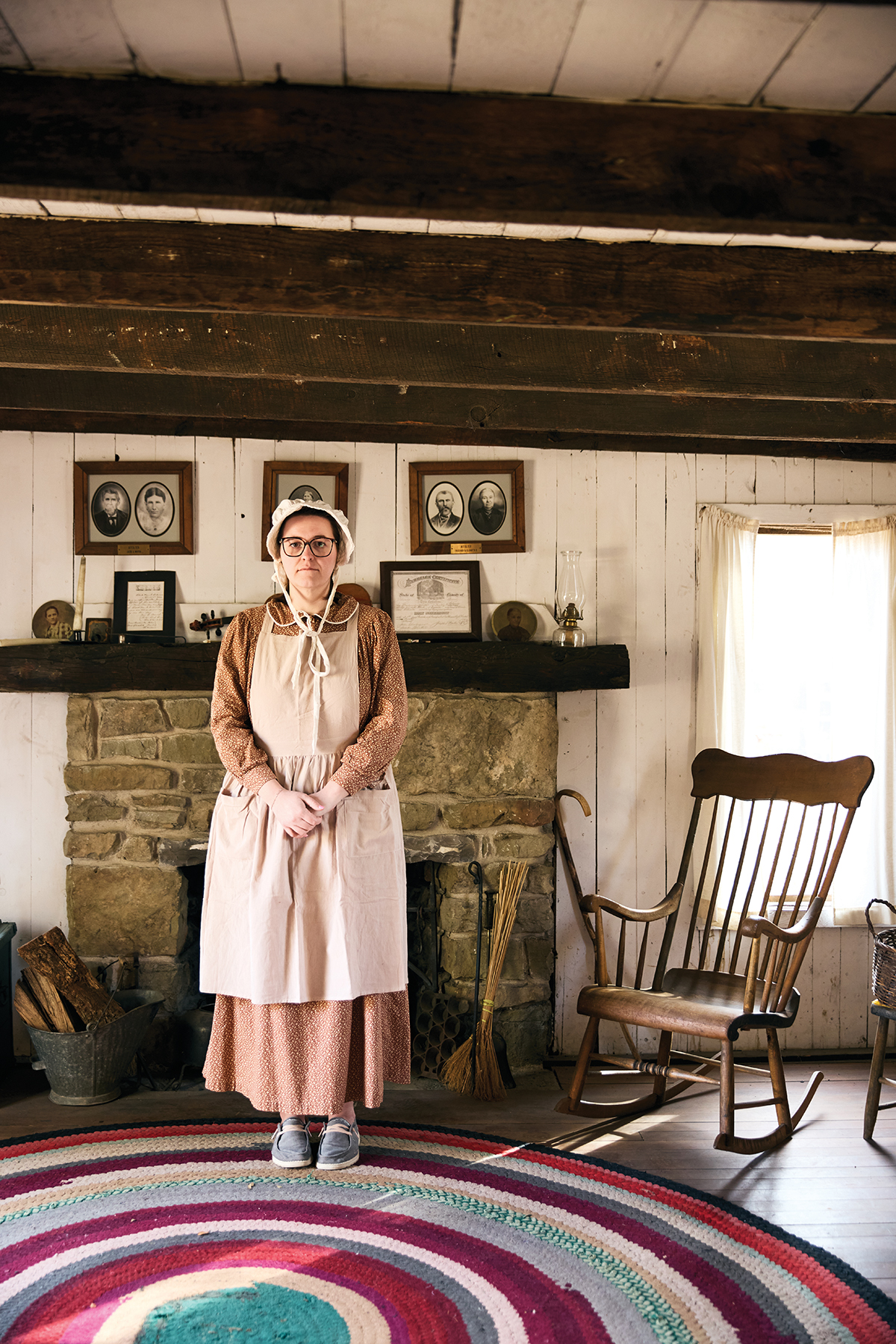
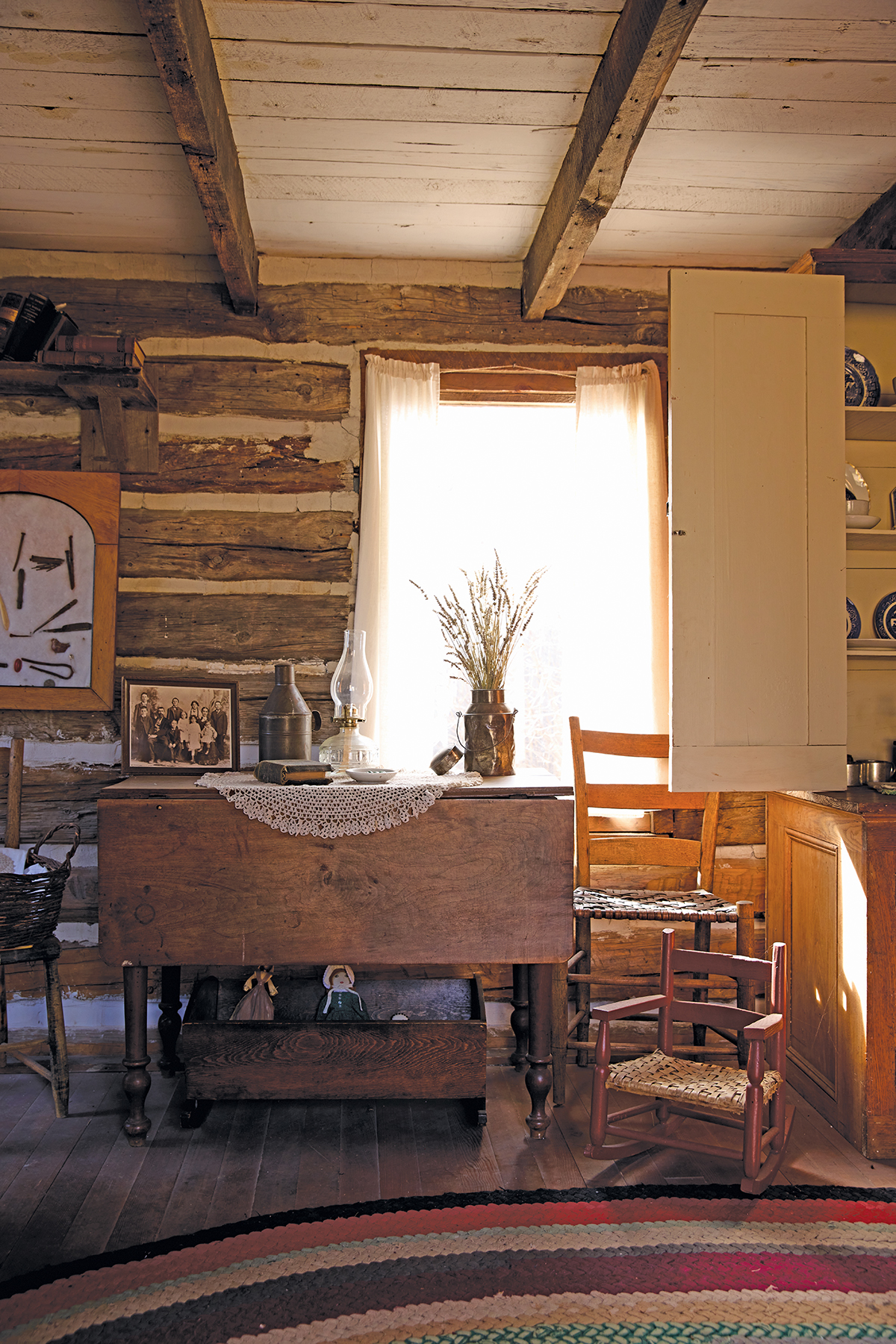
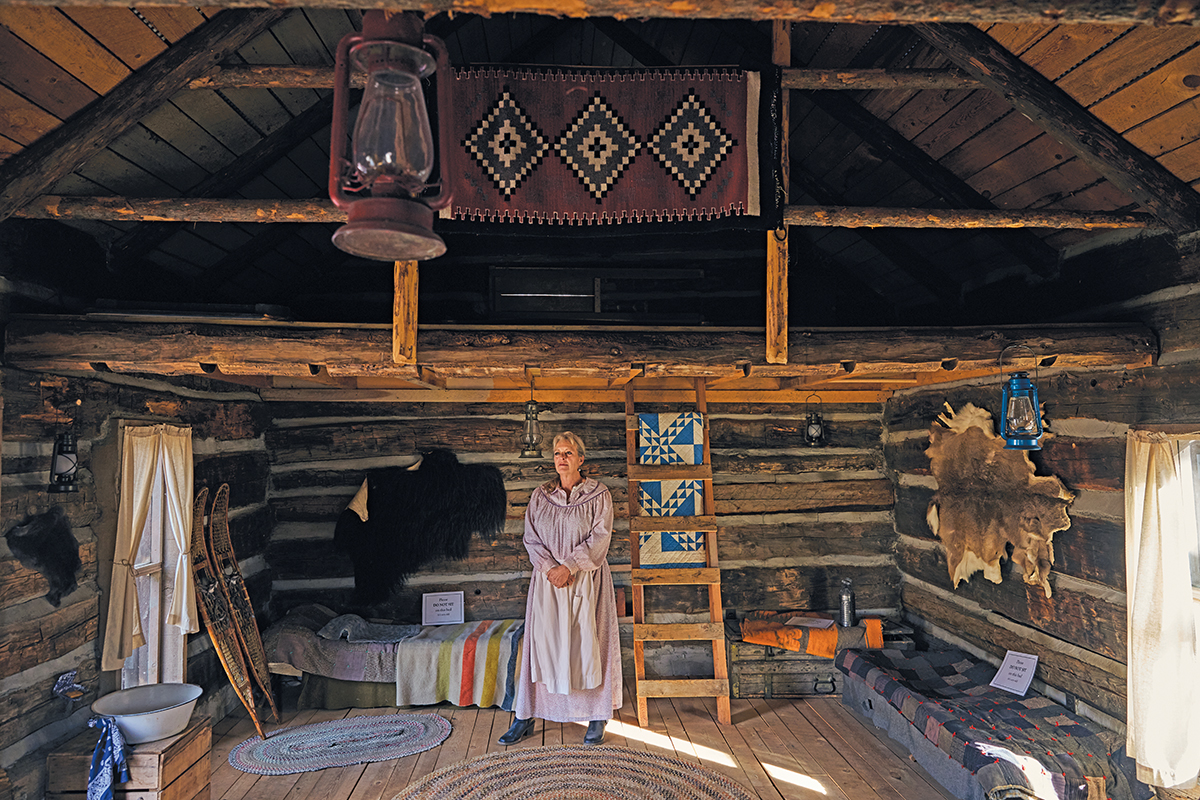
Gould recalls her grandmother Peggy Deese sitting in a rocking chair, wearing a pioneer-era red dress she had sewn herself. She portrayed Elizabeth Affolter, one of Boulder County’s founding matriarchs, and talked about her life after emigrating from Switzerland with her husband, Frederick Affolter, raising a large family in a small log cabin, caring for livestock, and making cheese in the early 1870s.
“It was so believable, and it came so naturally to her,” says Gould.
A History of Volunteering
Gould began exploring historical storytelling through the St. Vrain Historical Society at an early age when she would join her grandmother for presentations at Hoverhome. “I was playing the role of Beatrice Hover, the girl that the Hovers adopted when she was about 8 or 9 years old,” she says.
Gould, who is now 30 years old, is honoring her grandmother’s legacy as a longtime volunteer for the St. Vrain Historical Society, giving tours at Hoverhome and coordinating Pioneer Days. She was one of two community members the historical society recently recognized as 2025 Volunteers of the Year, the same recognition her grandmother received in 1999. The honor for Gould comes in part for her role in reviving the Pioneer Days field trip, which had been on hiatus due to the COVID-19 pandemic.
“After our first year it went pretty well, honestly, and I received really good feedback, and it made me feel good,” she says. “Being younger than most of our volunteers, it can be a little intimidating at times.”
For Gould, following in her grandmother’s footsteps is part by chance and part by design. Four years ago, she moved into the Townley House, one of Longmont’s earliest residences (155 years old this year). It is owned by the historical society and sits at the entrance to Old Mill Park. She was the ideal tenant given all her years of volunteering. Once Gould moved in with her son, she started doing a lot of research about the house’s former tenants.
“I often feel like I know all the former owners,” she says. At the historical society, she found notes and letters written by a woman who lived in the house during the early 1880s. “She talked about sitting in the front parlor and being able to look down this hill and see all the way to the St. Vrain River.” Today, the landscape includes houses, the St. Vrain Greenway, and nearby restaurants, breweries, and other local businesses. Back then, there was little to obstruct the view. “It was pretty desolate then,” adds Gould.
Part of Gould’s responsibility as a tenant of the historic Townley House is to open and close the gate to Old Mill Park daily during the spring and summer. It’s a task she considers a privilege.
“I take great pride in the home, and it makes me very happy to live here and keep an eye on her and the park,” she says.
Students Step into a Living History Lesson
This year, the historical society celebrates the 29th anniversary of Pioneer Days with more than 1,000 St. Vrain Valley School District and homeschooled students descending on Old Mill Park to experience the living history of Longmont and Boulder County.
For nearly two weeks from April 20 to May 1, a legion of volunteers under Gould’s leadership will illustrate what pioneer living in the late 1800s looked like for residents of Longmont, formerly known as the Chicago-Colorado Colony.
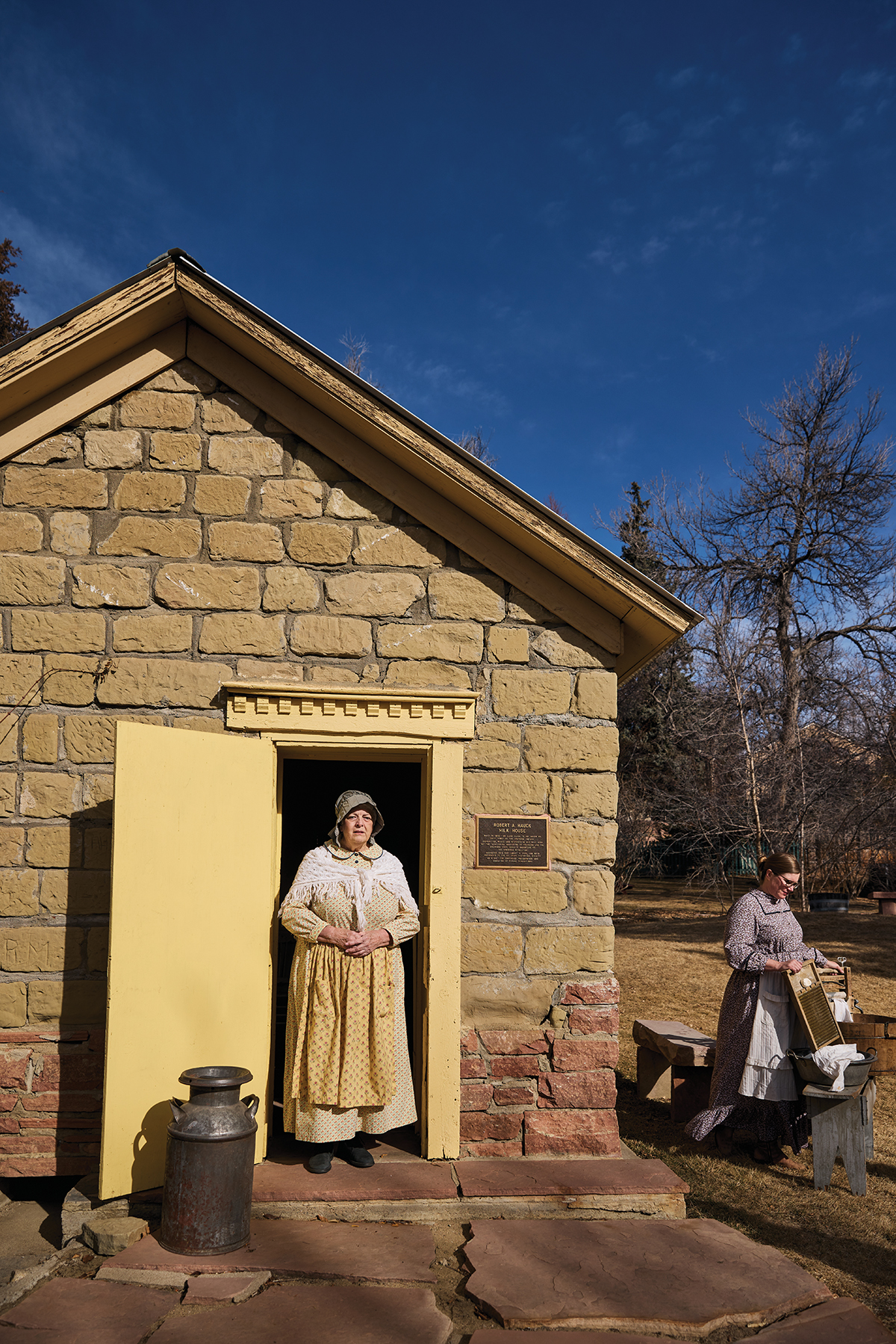
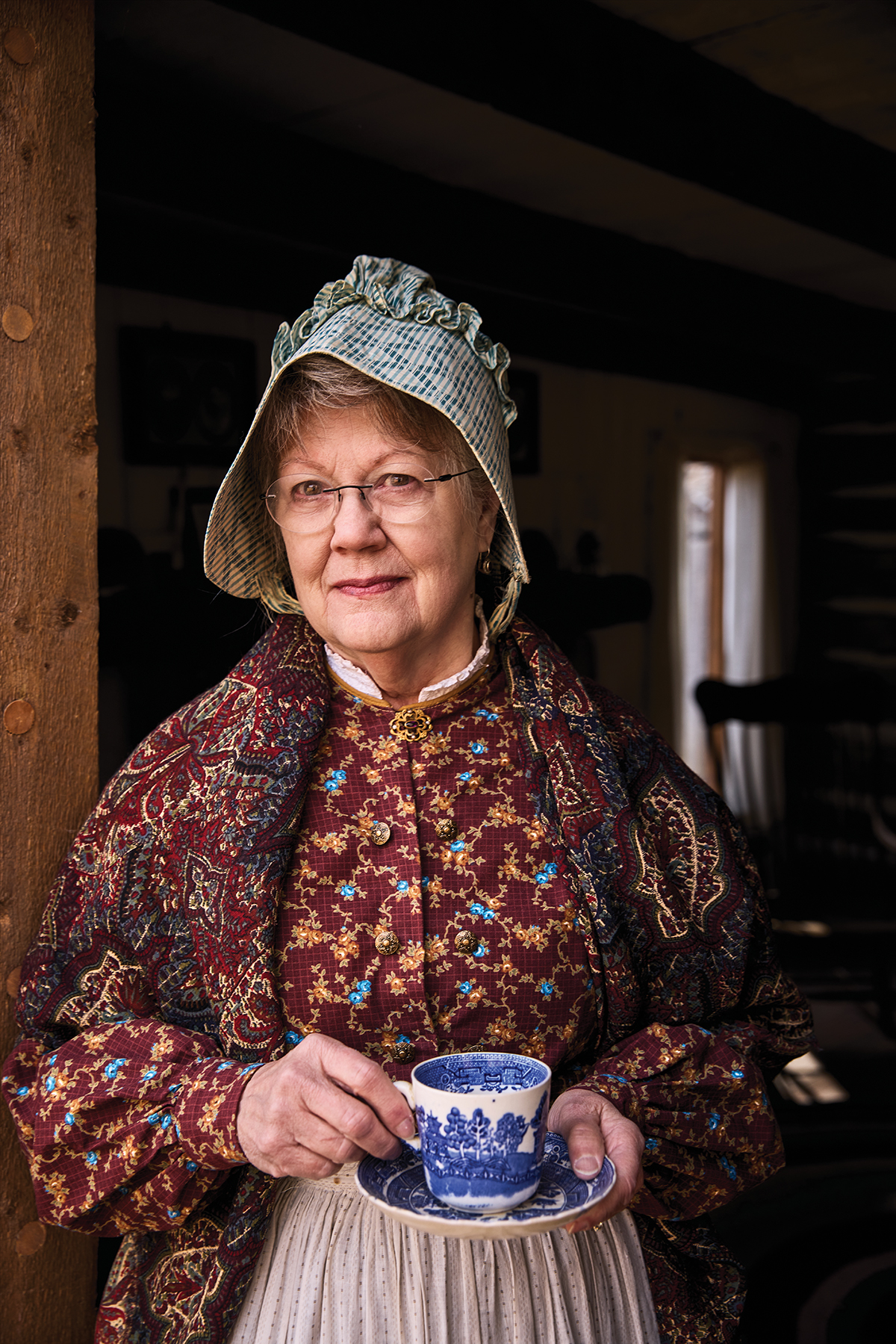
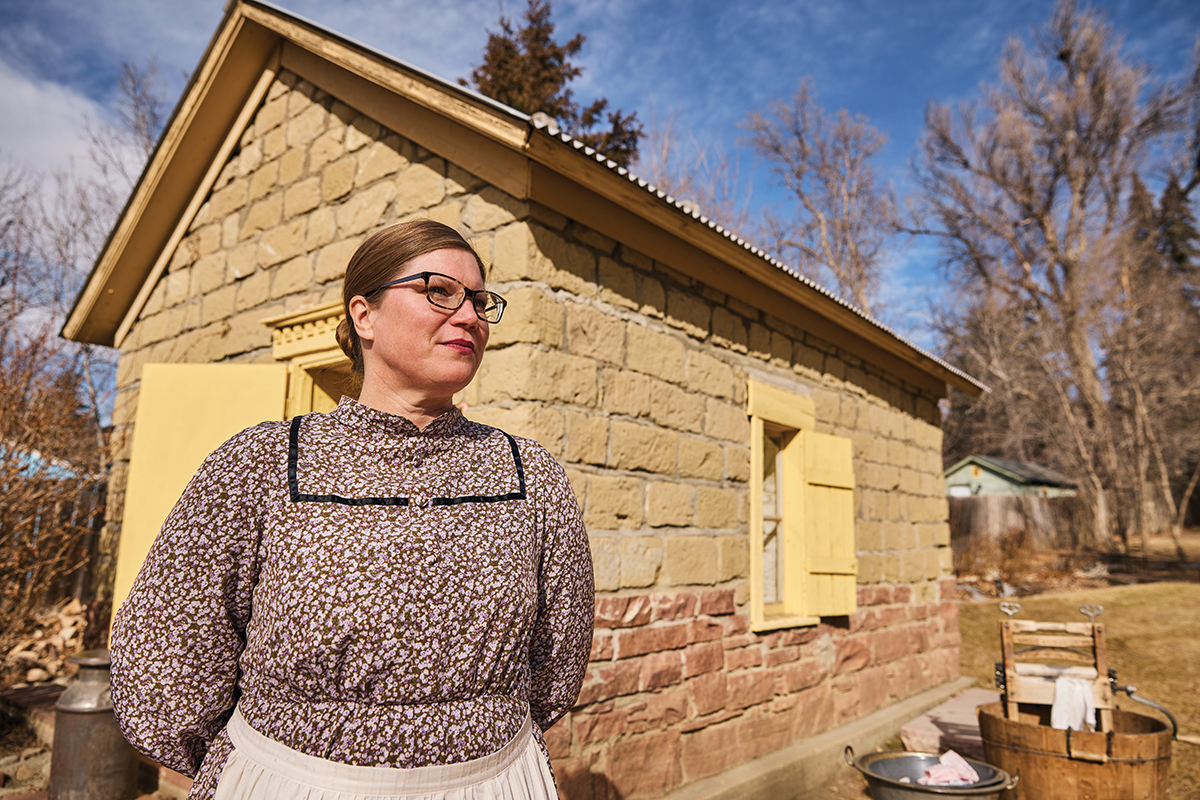
When students arrive at Old Mill Park, they are usually greeted at the entrance by Keith Appling and Joanne Liss. Once in the park, they may meet Connie Ryle Neumann portraying Elizabeth Affolter at the Affolter Cabin or Dori Mapstone at the blacksmith shop. At the Hauck Milk House and laundry station, they will see Rebecca Weihe and Andrea Linn. And, at the Billings Cabin, Brenda Crowe stands, ready to share stories. At each historic structure in the park, the volunteers take students back in time to enhance their civics and history curriculum.
Similar to Gould, St. Vrain Historical Society executive director Alyce DeSantis first visited Old Mill Park as a third-grade student for Pioneer Days. She remembers volunteer pioneer reenactors in period costumes at each of the five historical building sites doing chores of the era, storytelling, and describing day-to-day life for the students.
“It was a magical little park that you just walked into and back in time,” DeSantis says. “To me, they were believable, real-life pioneers.”
As an educational tool and a remembrance of their experience, each attending student receives a Pioneer Days activity book to take home that includes fun activities where they can color or engage in word games that reintroduce key elements from their visit.
“The cool thing about the same schools coming back each year is some of these teachers have been attending this program for 15, 20 years or whatever it may be,” says Gould.
Erin Lange, a third-grade teacher at Central Elementary, is one of them. This will be her ninth year bringing students to the program.
“It’s one of my favorite field trips. There’s so many parks in Old Town, and this one is pretty special,” says Lange. “Old Mill Park does a really good job of meeting kids where they’re at. Everyone can participate at their level.”
Taking Pride in the Community’s Past
In addition to her role executing Pioneer Days, Gould sometimes gets into character, donning the same red dress her grandmother did. She loves interacting with the students, answering their questions, and telling them about daily life in pioneer Longmont, from doing chores like laundry to milking cows, making butter, and emptying the chamber pot. She always gets a lot of reactions about the chamber pot.
“When I tell them what it’s actually used for and that it was a kid’s chore to empty it, they are really taken aback,” she says, laughing. But most of all, the kids enjoy stepping back in time, at least for one day. “Many say, ‘I wish I could live as a pioneer kid,’” says Gould.
Bringing history to life continues to run in Gould’s family. Her 11-year-old son, Brantley, gave presentations in the blacksmith shop last year. He even dressed the part, wearing his own coonskin cap, brown pants with suspenders, and cotton shirt.
“[He] talks about blacksmiths making nails and reminds kids that there wasn’t an Ace Hardware store,” Gould says.
As Gould’s family illustrates, volunteers are the engine that keeps Old Mill Park and Pioneer Days running.
“We are primarily a volunteer-run park; it depends on a lot of volunteer power,” emphasizes DeSantis. She mentions that most of what people see in the park, like garden and cabin upkeep, is maintained by volunteers. “It really reflects on the community’s involvement in making this a source of pride, too, for the community of Longmont.”
It’s a familiar pride for Teresa Litman, the historical society’s park superintendent and volunteer caretaker of Old Mill Park.
“I often think about all the generations who have touched this place,” says Litman. “This place holds history, connection, and memory all at once. That’s why I volunteer.”
OLD MILL PARK HISTORY
Old Mill Park offers a gateway to Longmont’s heritage. Visitors can learn about the city’s origins through a collection of structures, stories, and events like Pioneer Days.
“Since the 1800s, this place has been part of people’s memories, and there aren’t many places left like that,” says Teresa Litman, the historical society’s park superintendent and volunteer caretaker of Old Mill Park. “There are so many decades of memories held in this park. You know the saying, ‘If walls could talk’? This place feels like that to me.”
Longmont was founded in 1871 by the Chicago-Colorado Colony, a group of settlers from Illinois who set out to build an agricultural community in the St. Vrain Valley. As grain farming became central to the settlement’s economy, the Longmont Flour Mill was built in 1873 to serve area farmers. At the time, it was the second-largest mill in Boulder County.
The mill was destroyed by fire in 1934. Today all that remains is a section of the original foundation, a remnant of the thriving bygone business that occupied the property.
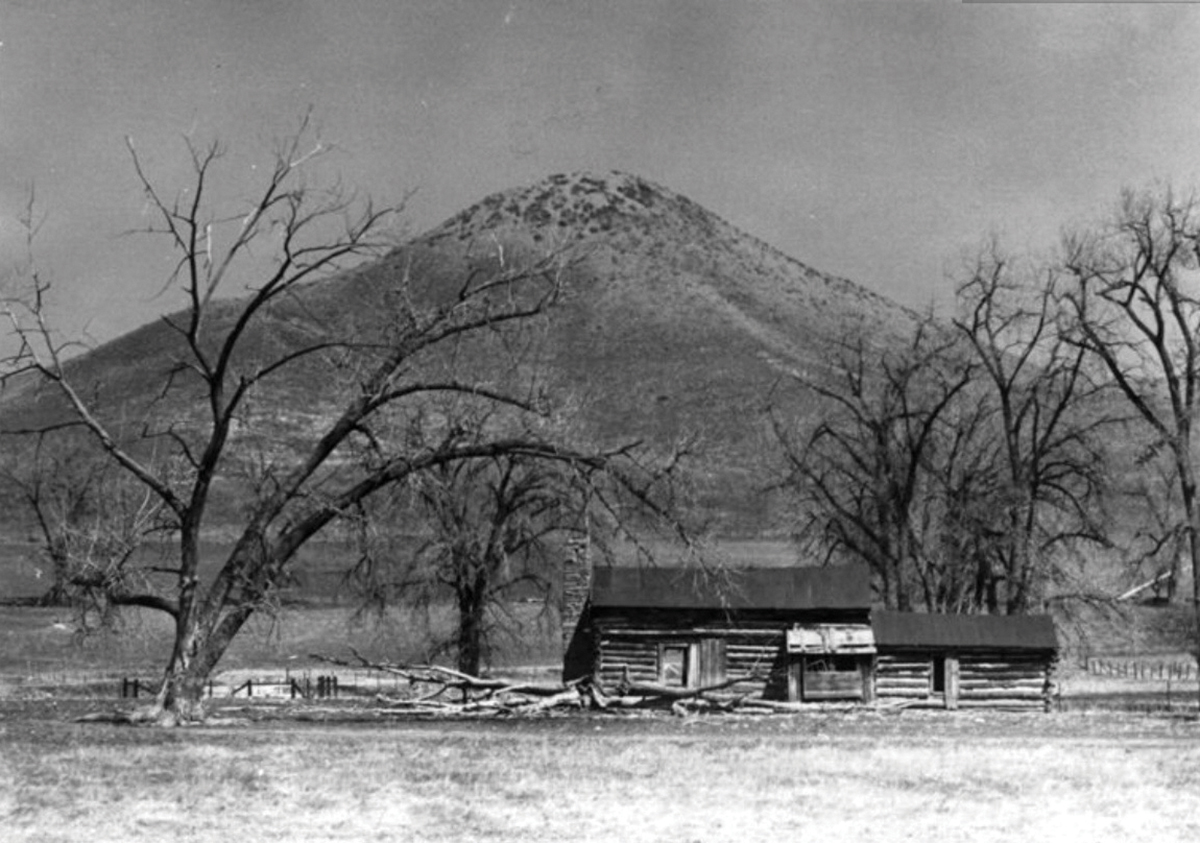
The St. Vrain Historical Society began assembling and relocating pioneer-era structures and artifacts to the site in the late 1960s. Eleanor Flanders, one of the society’s first board members, was among the key figures behind the effort and donated a portion of her property to help make Old Mill Park possible. In 1976, the land was formally dedicated as Old Mill Park and later in 1994 was recognized as a historic landmark by the City of Longmont for historical and educational purposes.
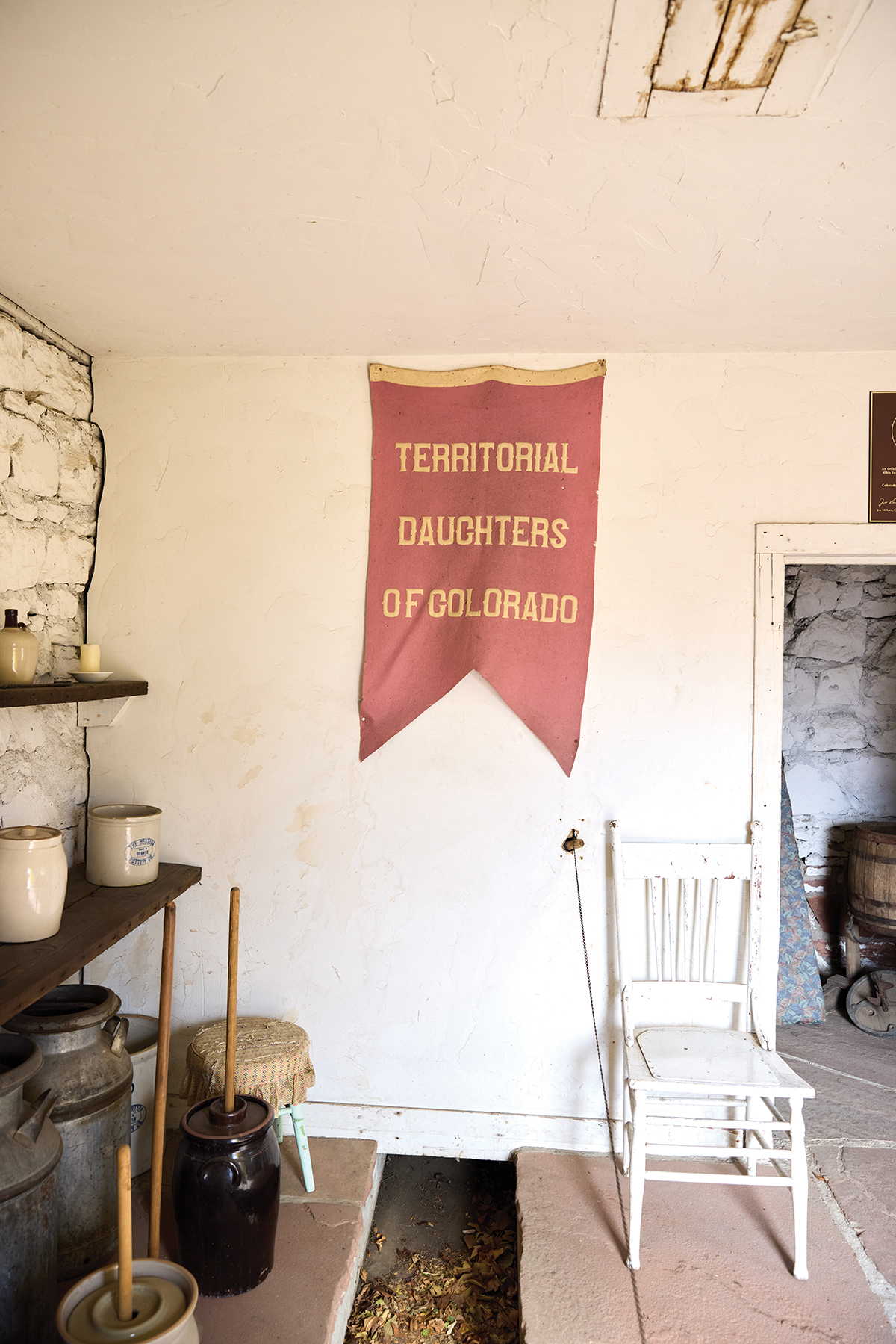
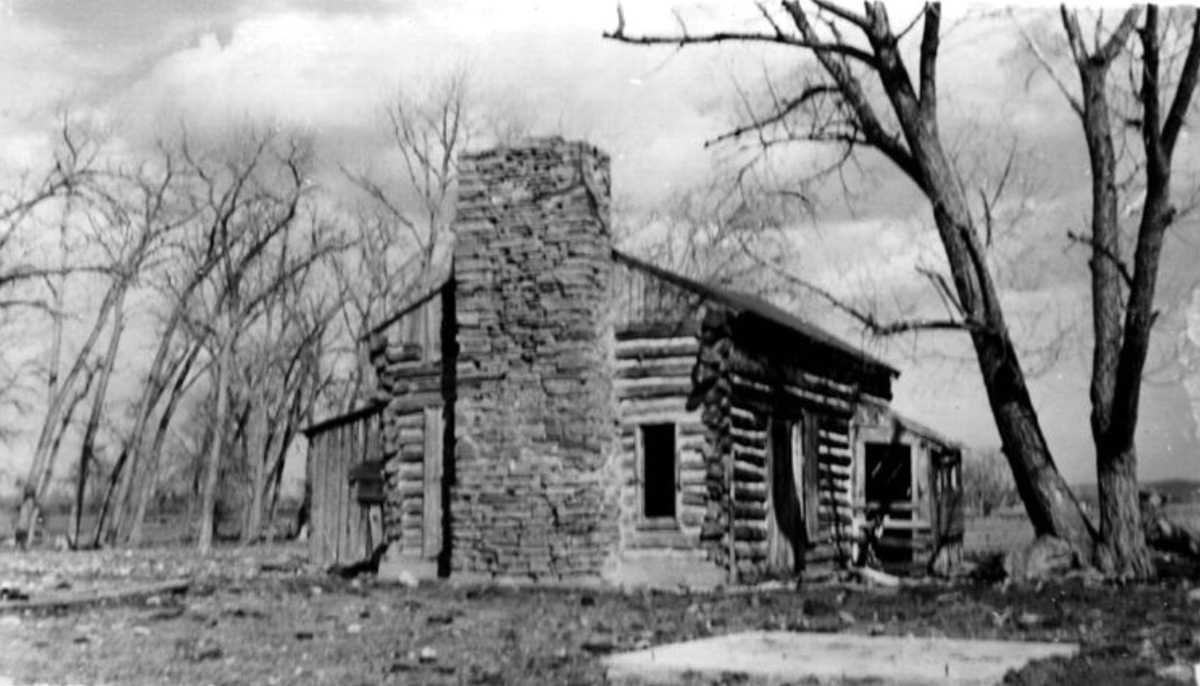
Each site at Old Mill Park reveals a different and unique aspect of settler life. The 1860 Affolter Cabin is a finely crafted log cabin that resembles the style of the family’s native Switzerland. The 1860 Hauck Milk House was constructed with Colorado soft yellow sandstone. The 1890 Billings Cabin is a former hunting and fishing cabin. And the Townley House, a wood-frame home built in 1871, now serves as the park’s guardian and gateway. 237 Pratt Street